
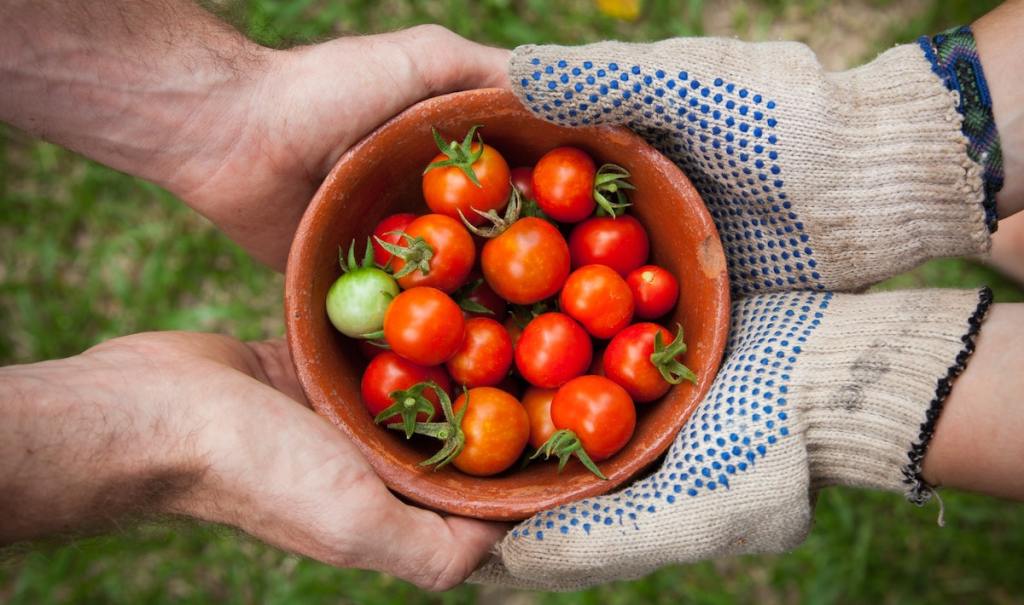
Breakdown in the delivery and supply chain of fresh vegetables especially to city dwellers during COVID-19 pandemic made us realized the importance to do home farming for personal consumption and creating many farms in and surround the city areas. New methods of farming and challenges create needs for more novel ideas to ensure a cost effective, sustainable and secured food supply for our current and future generations.
Katapult Asia Sdn Bhd collaborates with community partners, technology providers and social enterprises to support the development and implementation of solutions for sustainable food supply.
Medini Urban Farming Community Program
During the COVID-19 pandemic, between 2020 and 2022, we were given the opportunity to pilot a community farming program in an urban setting within Medini Iskandar Malaysia township in Iskandar Puteri. A social enterprise, PasarKita (https://www.instagram.com/pasarkita.my/), was engaged and given the responsibility to establish a community farm within the 5 acres land of Medini Edible Park to promote members of the community to co-farm and sharing the farming knowledge. The program attracted local and foreign expatriates living around the Iskandar Puteri area, collaborated with local municipal authority, Majlis Bandaraya Iskandar Puteri (MBIP), researchers from nearby universities – UTM, Southampton, UTHM, children from public and private schools and many more. The program also connects the growers from many community farms in Iskandar Puteri and Johor Bahru municipalities to buyers whom are interested with fresh, organic and pesticide-free vegetables. Similar program could be replicated in many local townships to promote growing their own vegetables and even selling them directly to interested person or even companies.
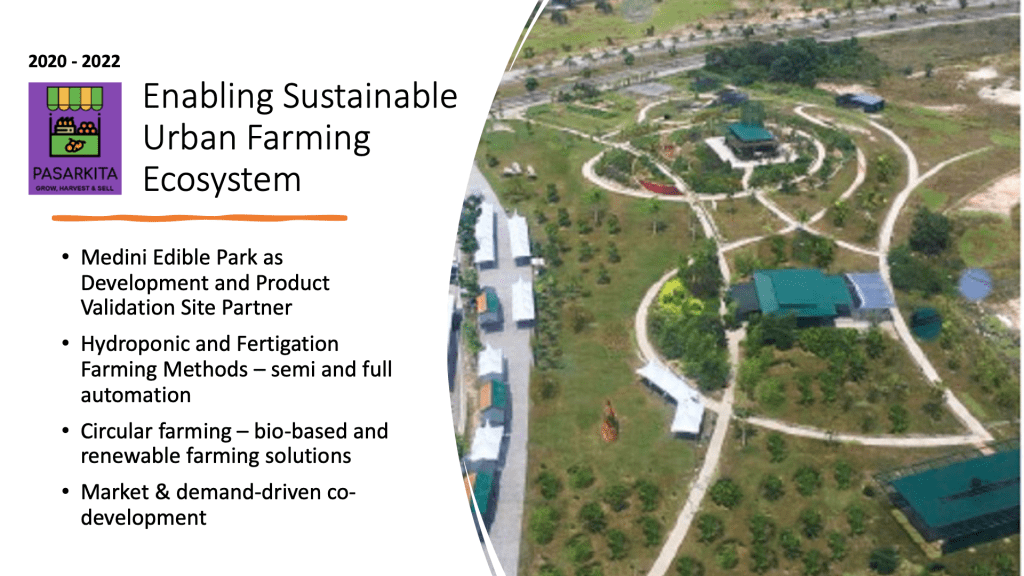
Katapult Asia’s own agriculture venture, AEGROW Lab, piloted its own hydroponic farm with more than 1000 pots capacity that grown various green vegetables – choy sum, pak choy, kang kung, green lettuce, butterhead lettuce and red coral lettuce under a greenhouse. The pumping system was powered by a 200W solar panel system with 2 units of 24V batteries.
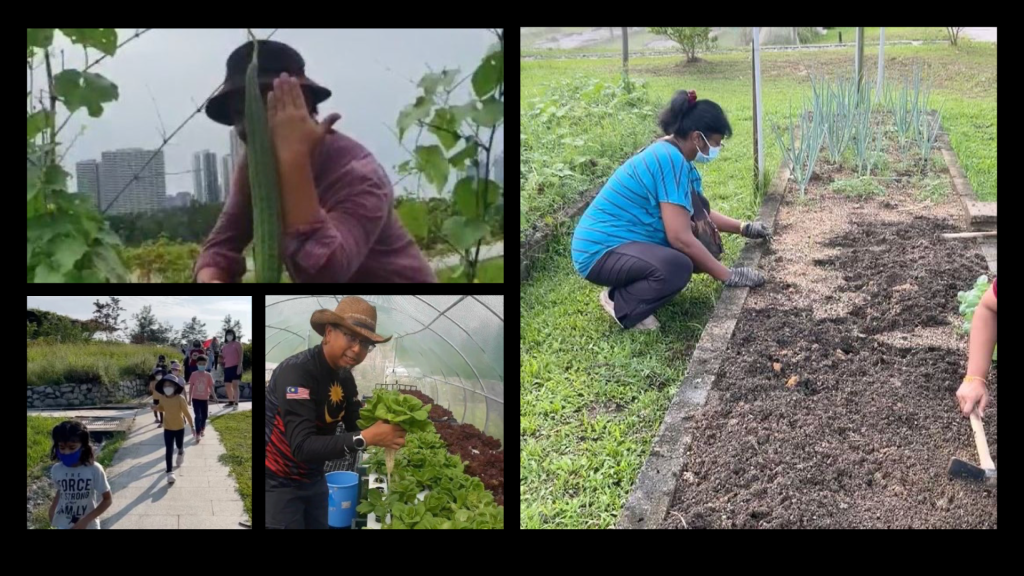
We also experimented with fruit veggies namely Japanese cucumber, local cucumber, winged beans, long beans and cherry tomatoes using the fertigation method where fertilizing solution was pumped to the plant at specific intervals. We concluded that the hydroponic system would be the best approach as it uses less fertilizer, water and allow us to grow and harvest these vegetables faster.
 Katapult Asia