
As the industry is bogged down with labor issues and productivity challenges, usage of automations and robotics is no longer an option. However, adoption of automation and robotics among the small and medium enterprises (SMEs) are still lacking. Recent study shows SMEs account for less than 5% of companies adopting automation and robotics in their operation.
Recently launched ROBOFUN (or Robotics For University) program by Intel (https://katapultasia.org/2023/02/20/open-source-robotics/) in collaboration with MPC, MIDA, and SCUTTLE Robotics is aiming at developing more local talents and innovative solutions at an affordable cost for SMEs to adopt robotics in their operations. Through the ROBOFUN program, SMEs can provide their specific challenges to the universities to build their prototypes to solve the specific problems faced by these companies.
In parallel effort to allow more participations from other secondary and tertiary education – students, teachers and lecturers – in partnership with industry professionals, we will be launching ROBOTHON on June 9th 2023 – https://katapultasia.org/2023/06/03/robothon-2023/
INDUSTRY CHALLENGE STATEMENTS
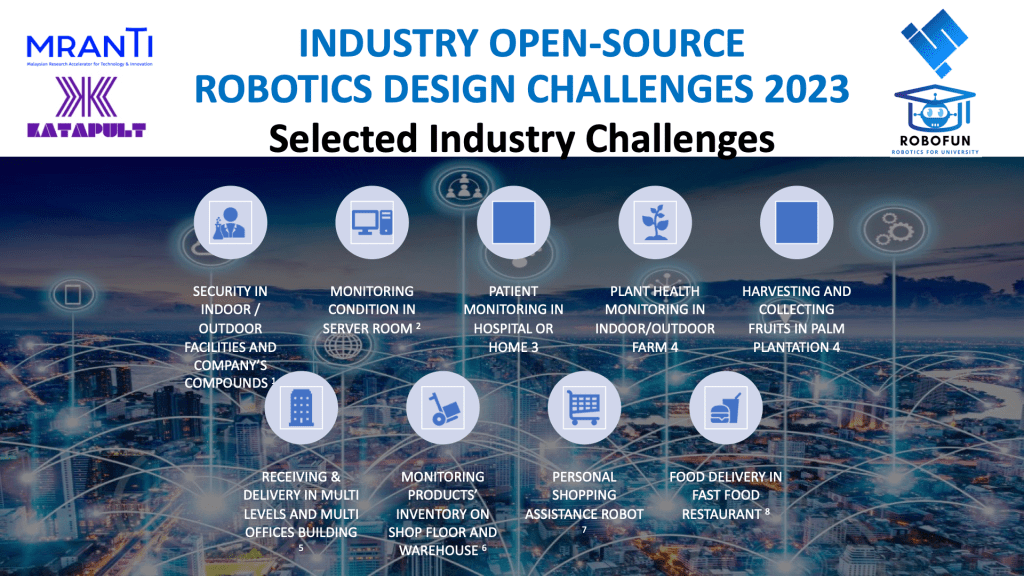
As part of experiential learning in autonomous mobile robotics, we selected few challenges faced by companies in manufacturing, food & beverages, healthcare and agriculture sectors to offer to the participants of the ROBOFUN Hackathon and alike to innovate new solutions addressing the respective challenges as described below:
Manufacturing Assembly
Quality control, assembly, loading, delivery and warehousing of components or finished good in manufacturing are the highest opportunities for adoption of automation and robotics. Opportunities with SMEs in manufacturing are abundance in your own local industrial areas. Identify specific challenges these companies are facing and propose how the SCUTTLE – Intel AMR Kit can be further developed into a prototype to address these challenges. How would you encourage companies to adopt AMR without losing their existing workforce and not increasing their capital or operational expenses.
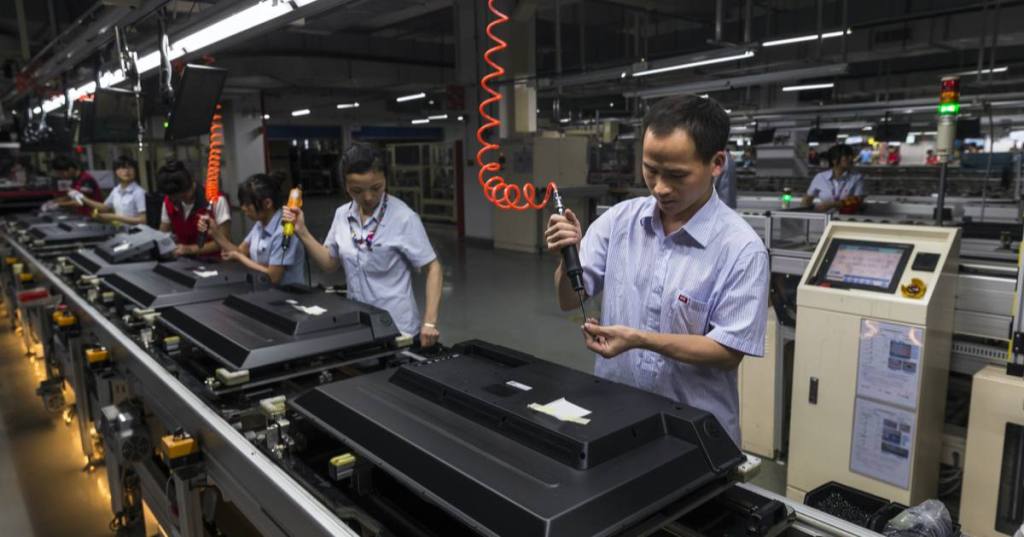
Manufacturing assembly process has the highest opportunity for adoption of automations and robotics.
What are the specific problems faced by small and medium manufacturing companies that can be solved by automation and robotics? How do you make sure these solutions are affordable yet able to address the needs of these companies?
Logistics
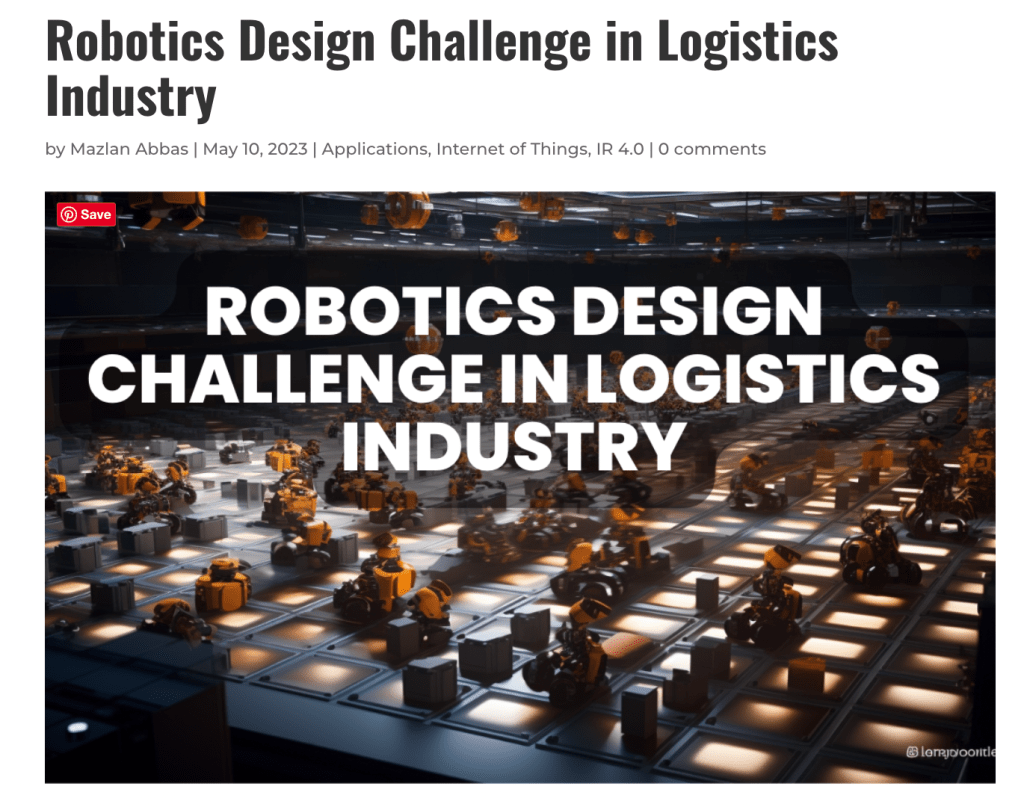
Specific to the logistic industry, there are several challenges related to delivery, inventory, loading & unloading, sorting and maintenance etc that can be resolved with robotics. To know more about the specific challenges in the logistic industry, please read the challenges provided by Favoriot Sdn Bhd (https://www.favoriot.com/) as published in the following article – https://iotworld.co/2023/05/robotics-design-challenge-in-logistics-industry/
Specific on fulfilment warehousing, the challenge is picking items from the storage racks where the robot can receive order from the order sheet, then go to the location of specific item, pick the item from the rack and later retun the item to the packaging stations. The related technical issues to be resolved are in localisation and positioning using ultra wide band (UWB), locating and docking for charging.
Retails Food & Beverages
Since COVID-19 pandemic we have seen adoption of mobile delivery robots to deliver food and medicines to patients quarantined in their respective rooms or wards. Due to limitation of foreign workers, restaurants have adopted these delivery robots with the name of Bella, Ketty and Holabot to name a few for the routine task of bringing drinks and foods to the dining tables (you can refer to https://www.robopreneur.com/ for description of these delivery robots). As these delivery robots are getting popular, demands on how they could enhance the customer experience and further ease the workload of restaurant operations are much needed.

Challenges in Fast Food Restaurants
In a fast food restaurant, considering the long queue for food and at times getting a table to enjoy your meal, how would robotics and digital technologies address these challenges. Cleaning the table immediately after a customer completed their meals would be much appreciated by the waiting customers. What kind of automated solutions could be developed to pick up your meal at the restaurant without having to queue and wait for your order to be ready. How would one integrate the entire processes of food ordering, preparation, cooking and packaging to drive towards a Lights Off Restaurant?
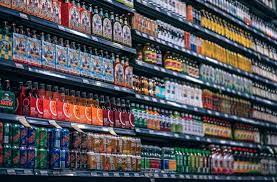
Your Neighbourhood’s Grocery Store could be also a good source of challenges in the F&B Retail industry as they will need to ensure sufficient inventory for their respective neighbourhood which can be quite dynamic depending on festivities season. Our personal experience finding the item you need for your daily cooking or special occasions is quite a hassle. Could your robotics solution help address these issues?
Inventory Management
Challenges in managing inventory in large stores or supermarkets are many and described in “20 Inventory Management Challenges and Solutions for 2022 and Beyond” (https://www.netsuite.com/portal/resource/articles/inventory-management/inventory-management-challenges.shtml).
Some of the challenges to consider for mobile robotics and digital technologies to be adopted are:
i. Inconsistent tracking due to manual inventory tracking procedures across different software and spreadsheets.
ii. Inventory management control at the warehouse is labor-intensive and involves several steps, including receiving and put away, picking, packing and shipping. The challenge is to perform all these tasks in the most efficient way possible.
iii. How do stores react quickly to constantly shifting demands of customers? Keeping too much could result in obsolete inventory you’re unable to sell, while keeping too little could leave you unable to fulfil customer orders.
Digital Shopping Experience
A local digital technology company, Retailetics (https://www.retailetics.com/), had developed an automated check out solution with their EZCart.
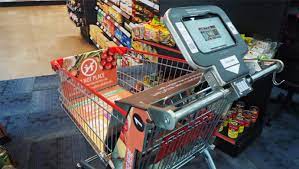
You can view how EZCart is changing shopping experience at Redtick Putrajaya here – (https://www.youtube.com/watch?v=2BQeBwgqUEc).
How would you integrate the inventory solutions as required above with EZ Cart and your AMR Kit?
Safety and Security
Use of human for safety and security could be replaced with advanced robotics and intelligence. Whether at the malls, factories, office buildings or homes, how would you incorporate autonomous mobile robots with Artificial Intelligence (AI) to reduce dependency on human labour to ensure a secured and safe place for everyone?
AI Robotics in the Mall Challenge
aka AI.R Mall Challenge

Da Men Mall — by Pavilion REIT Management is a mixed commercial and residential development located within the vicinity of Subang USJ 1. Located in the heart of USJ, Da Men Mall is strategically positioned with a wide array of amenities nearby, such as hospitals, educational institutions and metro transport stations around its area.
Da Men Mall and the Pavilion REIT Management are keen to embrace digital technology solutions that could enhance the mall management operational effectiveness and productivity, footfall and crowd engagement with experiential retail and shopping offerings at the mall(s)*.
Opportunities for digital and automation technologies adoption in the mall are in (i) building and people safety and security in the mall, (ii) F&B retail in restaurants, groceries and supermarkets, (iii) Environmental Sustainability Goals (ESG) related to food security, waste management and energy, (iv) how digital and robotics technology can create added convenient shopping experiences for the different demographic of visitors and lastly, aid in reducing operational cost.
* Pavilion REIT Management portfolios include Pavilion KL, Pavilion Tower, Intermark Mall, Da Men Mall, Elite Pavilion and the recently acquired Pavilion Bukit Jalil.
Agriculture and Food Processing Industry
Due to COVID-19 and limitation on foreign labours, many plantations are challenged with low productivity and yield from their respective plantations. Per the Australia CSIRO report*, labour shortages in agriculture result in lost economic earnings from farmers via unpicked crops and wasted food. Shortages also drive cycles of environmental misuse and unsustainable land management practices. * https://www.csiro.au/en/research/environmental-impacts/sustainability/labour-impacts-on-agriculture
https://www.freemalaysiatoday.com/category/highlight/2023/01/26/labour-shortage-cost-palm-oil-sector-rm20bil-last-year-says-fadillah/ reported that labor shortage in plantation caused economic loss to plantation owners due to unharvested or unpicked fruits.
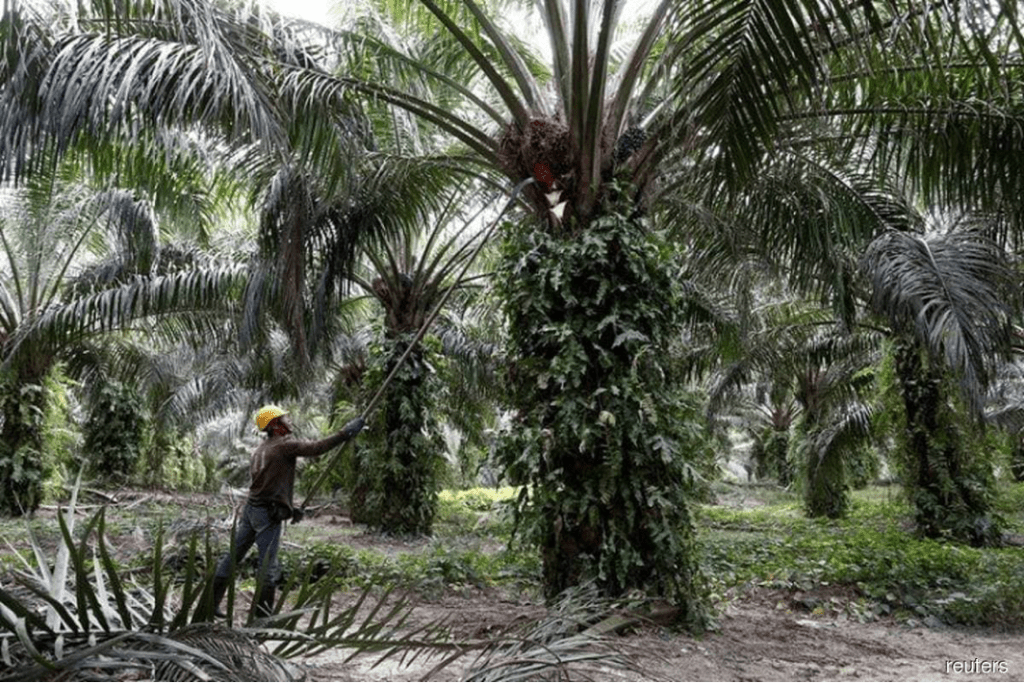
What are the specific activities in farming and plantation critically impacted by labour shortage and how would mobile robots and automation address these challenges? Similar challenger are being faced in the agro food processing and packaging area which could potentially be resolved using automation and robotics.
For further inquiry please contact sales@katapult-asia.page
 Katapult Asia